Bourbon vs Whiskey vs Scotch (and Canadian Rye): What's the Difference?
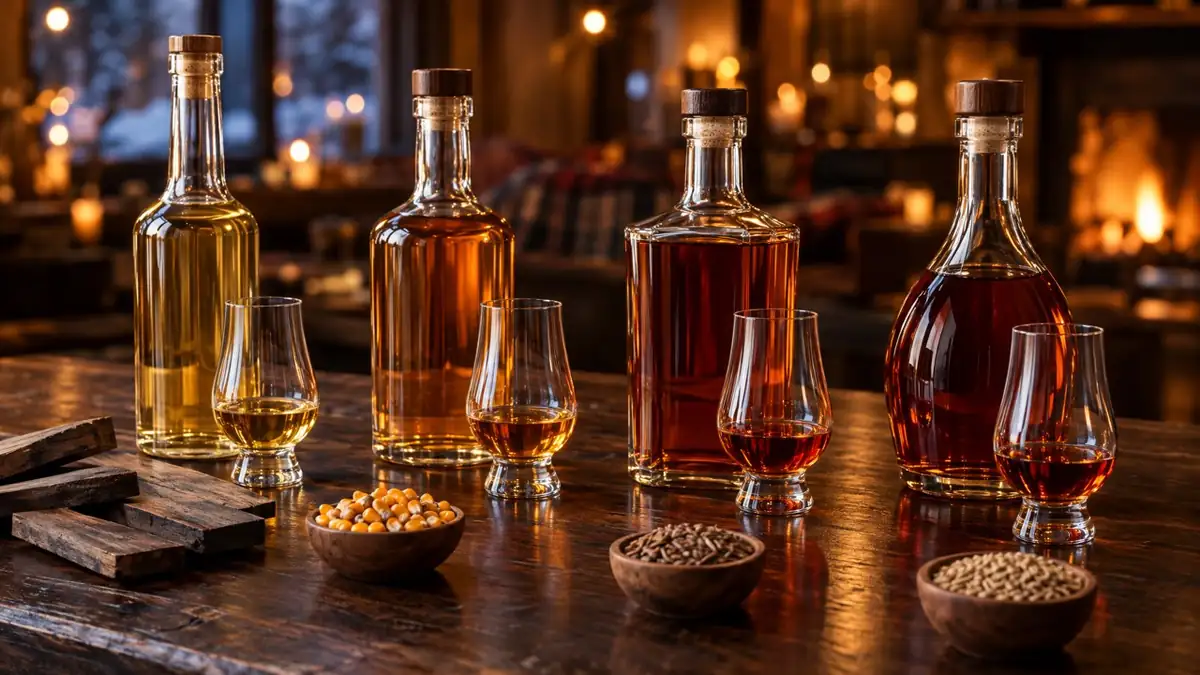
Bourbon vs whiskey is one of the most common questions we hear in gift season, usually followed by "and what about scotch?" and "is Canadian rye actually rye?" The short answer: they're all whisky. Bourbon, scotch, Irish whiskey and Canadian rye are styles within the same family, each defined by where it's made, what grain goes in and how it's aged. This guide breaks down the differences in plain language so you can pick a bottle you'll enjoy, or one that suits the whisky fan on your list this holiday season in St. Albert.
Bourbon vs whiskey: the quick answer
Whisky (or whiskey) is a spirit distilled from a fermented grain mash and aged in wooden barrels. Bourbon is one kind of whiskey, the way champagne is one kind of sparkling wine. Every bourbon is a whiskey, but not every whiskey is a bourbon.
| Style | Where it's made | Main grain | Key aging rule | Typical flavour |
|---|---|---|---|---|
| Bourbon | United States | At least 51% corn | New, charred oak containers | Sweet: vanilla, caramel, toasted oak |
| Scotch | Scotland | Malted barley (plus other grains in blends) | At least 3 years in oak casks in Scotland | Malty, fruity, honeyed; some are smoky |
| Irish whiskey | Ireland | Malted and unmalted barley, other grains | At least 3 years in wooden casks in Ireland | Smooth, light, fruity |
| Canadian whisky ("rye") | Canada | Any cereal grain: corn, wheat, rye, barley | At least 3 years in small wood (700 L or less) | Smooth and mellow, often with a spicy note |
What makes bourbon bourbon
Under U.S. federal rules, bourbon must be made in the United States from a mash that is at least 51% corn, distilled to no more than 80% alcohol, and stored in new, charred oak containers. It must go into the barrel at no more than 62.5% alcohol and be bottled at 40% or higher. There's no minimum age for plain bourbon, but "straight bourbon" must be aged at least two years.
The high corn content and the fresh charred oak are why bourbon tastes noticeably sweeter, with vanilla, caramel and baking-spice notes. That makes it an easy, approachable sipper and a classic base for an old fashioned. Tennessee whiskey is a close cousin made in a very similar way, with an extra charcoal-filtering step.
What makes scotch scotch
Scotch whisky must be distilled and matured in Scotland, aged in oak casks of no more than 700 litres for at least three years, and bottled at a minimum of 40% alcohol, under the UK's Scotch Whisky Regulations 2009. The main types you'll see:
- Single malt: made only from malted barley at a single distillery.
- Blended scotch: a mix of malt and grain whiskies, usually lighter and easier to mix.
- Peated scotch: barley dried over peat smoke, which gives a smoky, earthy taste. Some people love it; others prefer an unpeated style.
Many scotches are aged in casks that once held bourbon, sherry or wine, which adds fruit, spice or toffee notes. An age statement such as "12 years" refers to the youngest whisky in the bottle.
Canadian whisky: why everyone calls it rye
Canada's food compositional standards treat "Canadian whisky", "Canadian rye whisky" and "rye whisky" as interchangeable names. To use them, the whisky must be mashed, distilled and aged in Canada for at least three years in small wood (barrels of 700 litres or less) and bottled at 40% alcohol or more. The standard doesn't require any minimum share of rye grain, so a bottle labelled "rye" may be made mostly from corn or wheat. The nickname dates back to the 1800s, when many Canadian distillers added rye grain for flavour and drinkers started calling all Canadian whisky "rye."
Canadian whisky is often blended from separately distilled and aged grain whiskies, which helps explain its smooth, mellow style. It's the classic choice for a rye and ginger.
Irish whiskey in a sentence
Irish whiskey must be distilled and aged in Ireland for at least three years in wooden casks. Many are triple-distilled, which helps give them a light, smooth character that suits newer whisky drinkers.
Whisky or whiskey: does the spelling matter?
Not really. Scotland and Canada traditionally spell it whisky; Ireland and most U.S. producers use whiskey. You'll see both spellings on labels, and they're the same kind of spirit. The spelling is a clue to where a bottle comes from, not how good it is.
How to choose: a quick taste guide
Not sure where to start? Think about the flavours someone already enjoys.
- Likes sweet, dessert-style flavours: bourbon, or a Canadian whisky with a higher corn or wheat share.
- Likes smooth and easygoing: Canadian whisky or Irish whiskey.
- Likes bold, complex or fruity: single malt scotch, especially sherry-cask styles.
- Likes smoky flavours (or campfires): peated scotch.
- Mostly mixes drinks: a Canadian rye for highballs, or a bourbon for an old fashioned. See our holiday cocktail ideas for easy recipes, including alcohol-free versions.
Picking whisky as a holiday gift in St. Albert
Whisky is a classic holiday gift. A few tips:
- Match the person, not the price tag. Ask yourself what they already drink, then use the guide above.
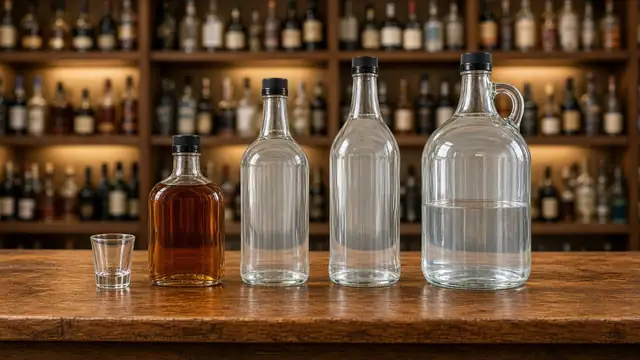
- Consider the size. A 375 mL bottle is a smart way to let someone try a new style. Our Canadian bottle sizes guide explains what a mickey, a 26er and a forty hold.
- Looking for something specific? City Liquor takes special orders, so ask our team at the counter.
- Need more ideas? Our liquor gift ideas guide covers wine and other spirits too.
You'll find our spirits section at 260-525 St Albert Trail. We're open Sunday to Thursday 10 AM to 10 PM and Friday and Saturday 10 AM to midnight, with the same hours on holidays. Prefer to stay in? City Liquor is on SkipTheDishes; delivery areas and times are set in the app.
Sip responsibly
Whisky is usually 40% alcohol or more, so a standard drink is just 1.5 oz (43 mL). Pour small, sip slowly, drink water alongside, and enjoy it with food. Canada's Guidance on Alcohol and Health from the Canadian Centre on Substance Use and Addiction notes that drinking less is better for your health. If you're hosting this season, offer alcohol-free choices and plan a safe ride home before the first pour. You must be 18 or older to buy alcohol in Alberta, and ID may be requested.
Sources
- U.S. bourbon rules: 27 CFR 5.143 (eCFR)
- Scotch rules: Scotch Whisky Regulations 2009 (legislation.gov.uk)
- Canadian whisky aging and age claims: Food and Drug Regulations, Division 2 and CFIA alcoholic beverage labelling
FAQ
What is the difference between bourbon and whiskey?
Bourbon is a type of whiskey. Under U.S. rules it must be made in the United States from a grain mix that is at least 51% corn and aged in new, charred oak containers. That corn and new oak give bourbon its sweeter vanilla and caramel flavour. Whiskey is the broader family that also includes scotch, Irish whiskey and Canadian whisky.
Is scotch a whiskey?
Yes. Scotch is whisky made and matured in Scotland. UK rules require it to be aged in oak casks in Scotland for at least three years and bottled at no less than 40% alcohol. Single malt scotch is made only from malted barley at one distillery.
What is Canadian rye whisky?
In Canada, 'Canadian whisky', 'Canadian rye whisky' and 'rye whisky' are interchangeable legal names for the same category. It must be mashed, distilled and aged in Canada for at least three years in small wood barrels, and bottled at 40% alcohol or more. Despite the name, it doesn't have to be made mostly from rye.
Why is it spelled whisky and whiskey?
It's mostly tradition. Scotland and Canada usually write 'whisky', while Ireland and most American producers write 'whiskey'. The spelling doesn't change what's in the bottle.
Which whisky is best for a beginner?
Many people new to whisky find Canadian whisky, Irish whiskey or bourbon the easiest place to start because they tend to be smooth and a little sweet. Smoky, peated scotch is more of an acquired taste. Trying a small pour with a splash of water is a good way to explore.
Can you mix bourbon, scotch or rye in cocktails?
Yes. Bourbon is classic in an old fashioned or whisky sour, Canadian rye is the usual pick for a rye and ginger, and blended scotch works well in a highball with soda. Save rare bottles for sipping and use an everyday bottle for mixing.
Please enjoy responsibly. You must be 18+ to buy alcohol in Alberta, and if you're drinking, plan a safe ride home.