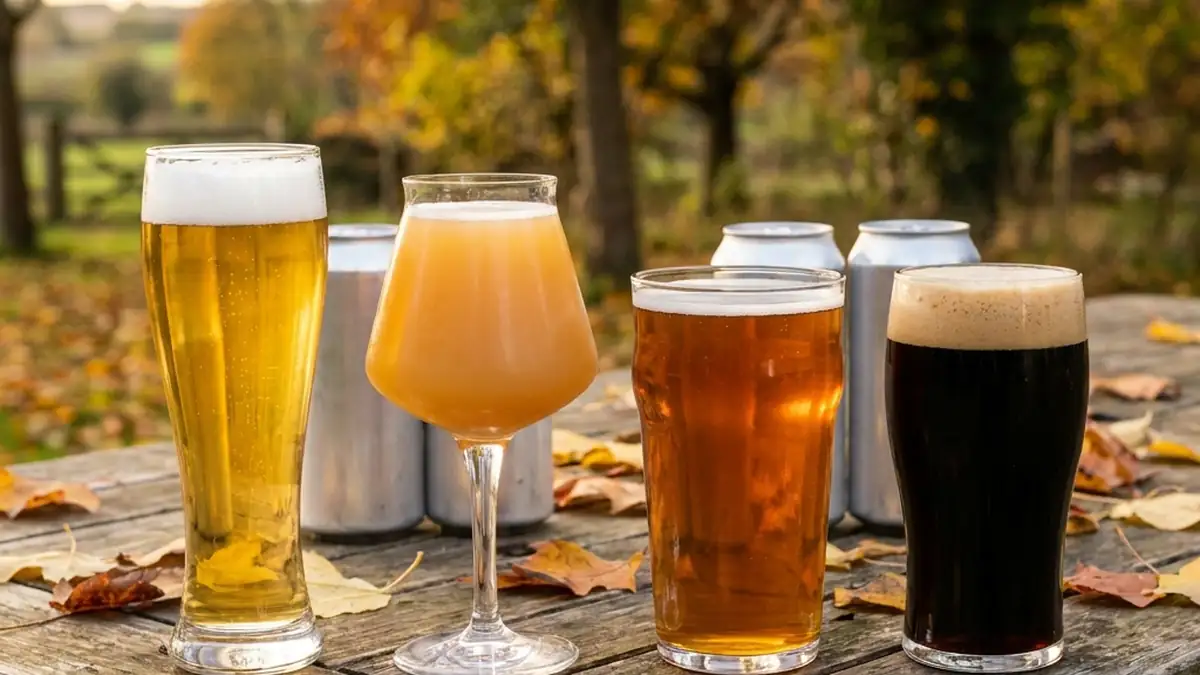
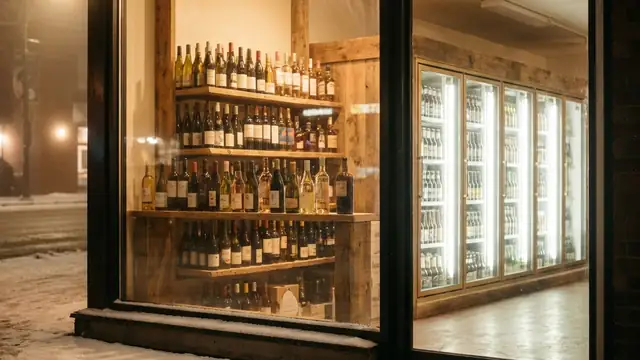
Over the past decade, Alberta has become one of Canada's most interesting places to drink Alberta craft beer. This guide covers how the scene developed, the styles you'll see, and how to explore them. For a quick primer, read our blog post Alberta craft beer styles explained.
How the scene developed
Alberta's modern craft story usually starts in 1985, when lawyer and barley farmer Ed McNally founded Big Rock Brewery in Calgary to brew the more flavourful ales and lagers he couldn't find locally (CBC News). For decades, though, the number of small breweries stayed low, partly because provincial rules required breweries to produce a large minimum volume before they could sell in Alberta.
In 2013, the province removed that minimum production requirement (CBC News). Small breweries and taprooms began opening across the province, from city neighbourhoods to small towns, and by 2020 Alberta had well over a hundred breweries. Today the range runs from crisp lagers made with Alberta barley to hazy IPAs, barrel-aged stouts and fruited sours.
Styles to know
| Style | What to expect | Try it with |
|---|
| Lager & pilsner | Crisp, clean, refreshing; pilsners add floral hop bite | Pizza, wings, spicy food |
| Märzen & amber lager | Toasty, bready malt, smooth finish | Sausages, roast chicken |
| Pale ale | Balanced; citrus, pine or floral hops | Burgers, tacos |
| IPA (West Coast, hazy, session, double) | Hop-forward, from bitter and piney to juicy and tropical | Curry, burgers, sharp cheddar |
| Amber & red ale | Caramel malt, gentle bitterness | Barbecue, stews |
| Brown ale | Nutty, toasty, light chocolate | Roast pork, mushrooms |
| Stout & porter | Roasty coffee and cocoa; imperial stouts are strong sippers | Barbecue, chocolate desserts |
| Wheat beer | Soft, hazy, banana/clove or citrus | Salads, seafood, brunch |
| Sour | Tart, often fruited, refreshing | Goat cheese, patio afternoons |
How to explore Alberta craft beer
- Build a mixed six. Pick one beer from three or four different styles, then compare.
- Go one step from what you like. Like mainstream lager? Try a craft pilsner. Like pale ale? Try a hazy IPA.
- Follow the seasons. Many brewers release fresh lagers and fruited sours in summer, Märzen and harvest beers in fall, and darker, warming beers in winter.
- Ask us what's new. Tell our staff what you usually drink and we'll suggest something to try from Alberta's craft brewers.
Freshness matters
- Check the packaged or best-before date. Hop-forward beers (IPAs and pale ales) are best within a few months, while malty and dark beers hold up longer.
- Keep it cold. Warm storage dulls hop aroma fast. Our beer store keeps beer cold, and you should keep it in the fridge at home.
- Keep it dark. Light can make beer smell "skunky".
- Winter warning: beer left in a car in a St. Albert cold snap can freeze and burst.
Read the can
ABV is the alcohol percentage; a 355 ml can at 5% is about one standard drink, and a 473 ml tallboy at 7% is close to two. IBU is a rough guide to bitterness. Craft beer can be stronger than it looks, so check the ABV and pace yourself, and never drive after drinking.
Photos are illustrative.
Please enjoy responsibly. You must be 18+ to buy alcohol in Alberta, and if you're drinking, plan a safe ride home.