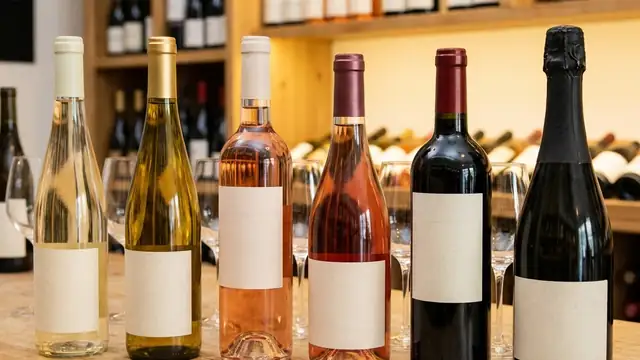
Don't Know Wine? How to Pick a Bottle You'll Actually Like: Tips from a Wine Store in St. Albert
No wine vocabulary needed. Two simple questions, a few label terms and some easy food matches will get you a bottle you actually enjoy.
Read the guideNo wine vocabulary needed. Two simple questions get you to a bottle you'll like, and a quick occasion chart covers dinners, parties and gifts.
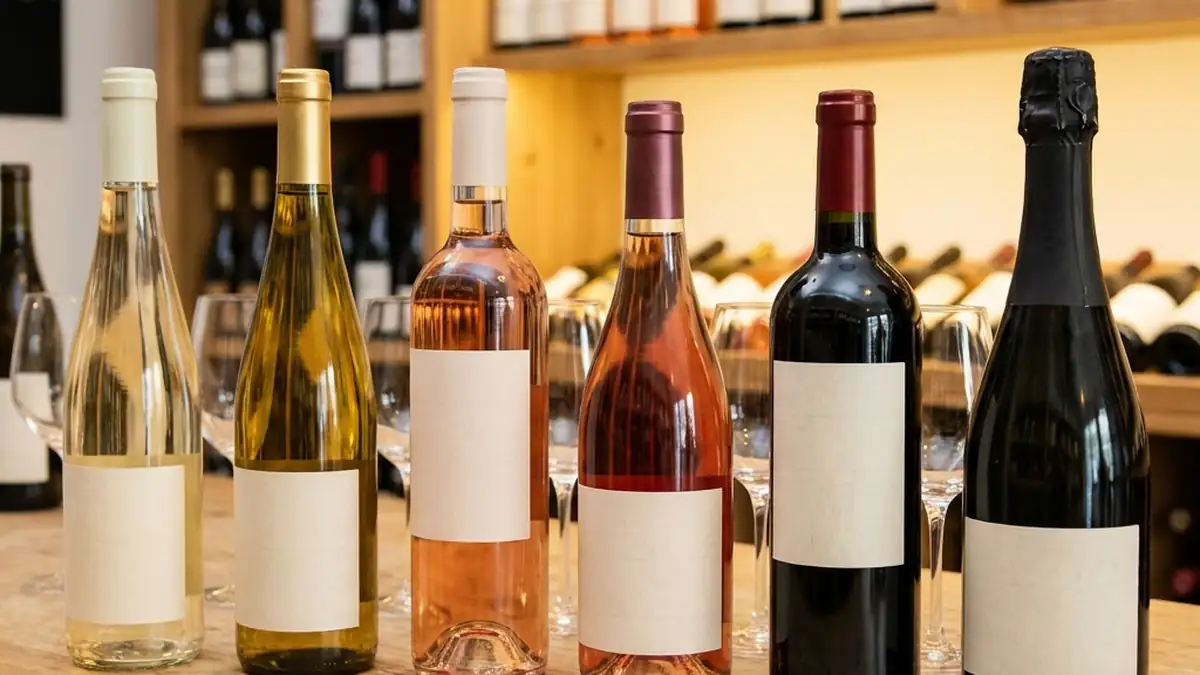
You don't need to know grape names or regions to choose well. This wine guide for beginners comes down to two questions. For the long version, read how to pick a bottle you'll actually like.
If you like sweet coffee, cocktails or cider, start with off-dry wines: Moscato, off-dry Riesling, Gewürztraminer or a fruity rosé. If you like black coffee or crisp beer, try dry wines: Sauvignon Blanc, Pinot Grigio, dry rosé or most reds. "Dry" just means not sweet.
| Light | Medium | Full and bold |
|---|---|---|
| Pinot Grigio, Sauvignon Blanc, dry Riesling, Prosecco | Unoaked Chardonnay, rosé, Pinot Noir, Gamay | Oaked Chardonnay, Merlot, Malbec, Shiraz, Cabernet Sauvignon |
New to red? Start with Pinot Noir or Merlot. Bold reds have more tannin, the drying feeling you get from strong tea.
| Occasion | Easy styles |
|---|---|
| Weeknight dinner | A juicy red (Merlot, Grenache) or a crisp white (Sauvignon Blanc) |
| Holiday turkey or ham | Pinot Noir, Gamay, Riesling, oaked Chardonnay (full guide) |
| Barbecue and steak night | Malbec, Shiraz, Cabernet Sauvignon, Zinfandel |
| Patio afternoon | Dry rosé, Pinot Grigio, sparkling |
| Party or wedding | Crowd-pleasers: a fruity medium red and a crisp white. Use the calculator for quantities. |
| Toast or celebration | Sparkling wine (brut is dry) |
| Host gift | A versatile red, a crisp white or bubbles (gift guide) |
| Dessert | Icewine or another dessert wine that's sweeter than the dessert |
| Not drinking | Alcohol-free sparkling (NA guide) |
| Wine | Serve at | Quick tip |
|---|---|---|
| Sparkling | Well chilled | Several hours in the fridge |
| Light whites & rosé | Chilled | Out of the fridge 10 min before pouring |
| Fuller whites | Lightly chilled | Out of the fridge 15–20 min before |
| Light reds | Slightly cool | 20 min in the fridge |
| Bold reds | Cool room temperature | Open 30 min early if it tastes tight |
Store unopened bottles somewhere cool and dark, away from heaters, and on their side if they have corks. In winter, don't leave wine in the car: it can freeze and push out the cork.
At our wine store on St. Albert Trail, tell us what you like, what you're eating or who it's for, and we'll walk you to a few good options. Shopping for someone else? Snap a photo of a bottle they enjoy and we'll suggest a few in the same style.
Photos are illustrative.
Please enjoy responsibly. You must be 18+ to buy alcohol in Alberta, and if you're drinking, plan a safe ride home.
Most opened red, white and rosé wines last about 3 to 5 days in the fridge with the cork or a stopper back in. Sparkling wine keeps 1 to 3 days with a sparkling stopper, and fortified wines like port or sherry can last a few weeks. Boxed wine usually stays fresh for several weeks after opening.
Source: Decanter
Once it's open, yes, and that includes red. Store unopened wine somewhere cool and dark, on its side if it has a cork. Serve whites, rosé and sparkling chilled, around 6–10°C, and reds slightly cool, around 14–18°C. After opening, recork any wine and keep it in the fridge to slow spoilage.
Bold red wines are the classic match for steak. Cabernet Sauvignon, Malbec, Syrah (Shiraz) and Zinfandel have the body and tannin to stand up to rich, charred beef. For leaner cuts like tenderloin, try a softer Merlot or Pinot Noir. Peppercorn sauces suit Syrah, while blue-cheese toppings love Cabernet.
Salmon pairs well with Pinot Noir if you want a red, or a richer white like Chardonnay. Dry rosé and Sauvignon Blanc also work, especially with lemon, dill or grilled salmon. Avoid heavy, tannic reds, which can make fish taste metallic. For smoked salmon, try sparkling wine or a dry Riesling.
No wine vocabulary needed. Two simple questions, a few label terms and some easy food matches will get you a bottle you actually enjoy.
Read the guide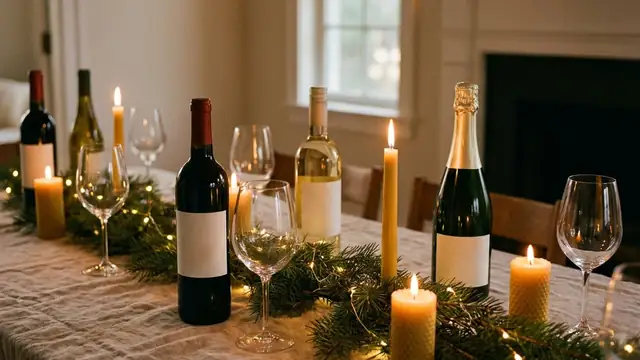
Red or white with the turkey? What works with ham? A plain-language guide to holiday wine styles, plus how many bottles to plan for the table.
Read the guide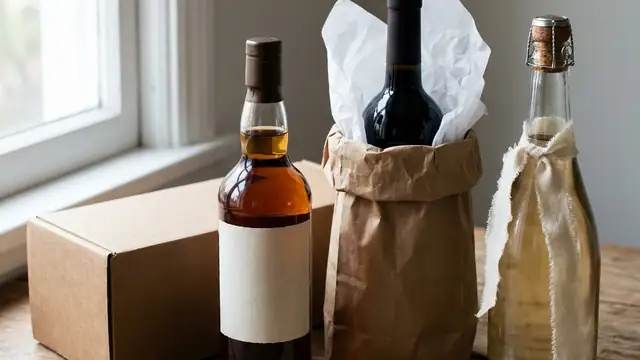
Choosing a bottle for someone else? Match it to the person and the occasion, with whisky styles explained in plain language and easy wine gifts that always land.
Read the guide
You must be of legal drinking age in Alberta (18+) to visit City Liquor's website.
Please enjoy responsibly.