Sparkling Wine Guide: Champagne, Prosecco, Cava and How to Serve It
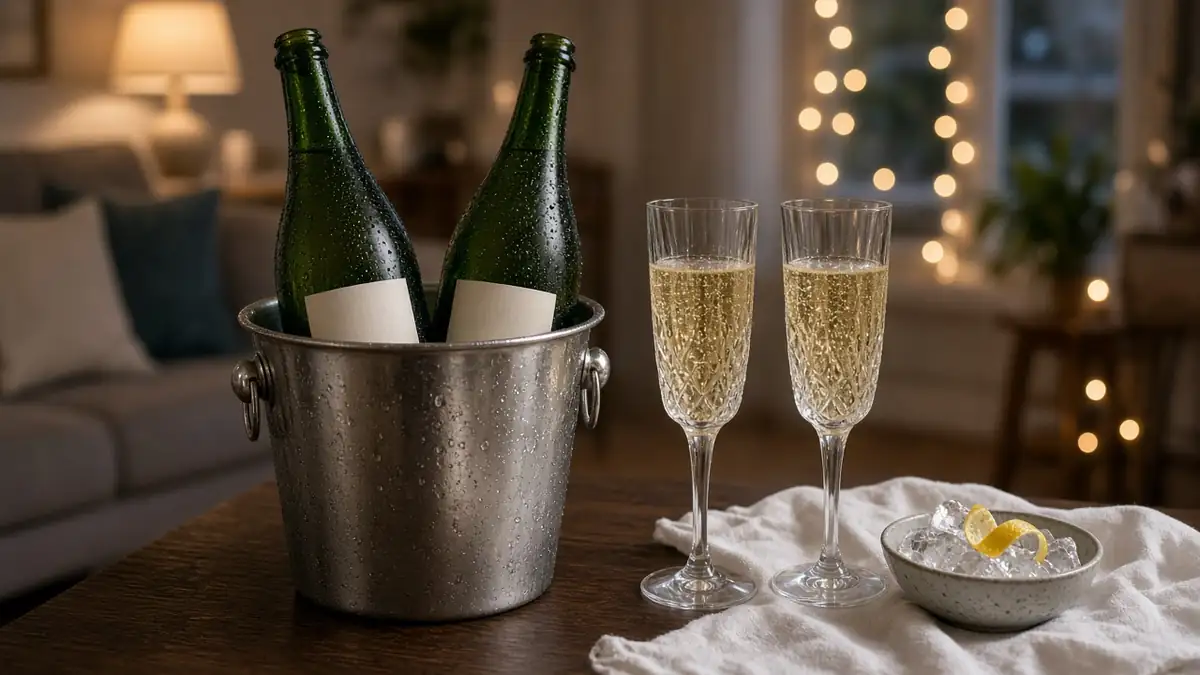
If you're planning a holiday toast or a New Year's Eve gathering in St. Albert, a bottle of sparkling wine is usually the first thing on the list. This guide explains how Champagne, Prosecco, Cava and other bubbles differ, how to read the label, and how to chill, open and pour. There are no brand lists here, just the styles you'll see at a wine store in St. Albert.
Is Champagne a sparkling wine?
Yes. Champagne is sparkling wine, but the name is reserved for wine grown and made in the Champagne region of France. Everything else with bubbles is still sparkling wine; it just comes from somewhere else and often uses a different method.
- Traditional method (Champagne, Cava, Crémant and some Canadian sparkling): the second fermentation happens in the bottle. That usually means finer bubbles and notes of toast or brioche alongside the fruit.
- Tank method, sometimes called Charmat (most Prosecco): the second fermentation happens in a large tank, so the wine is typically lighter, fruitier and more floral.
Neither method is "better." It depends on whether you want something crisp and toasty or something fresh and fruity.
Champagne, Prosecco, Cava and the rest
Champagne
From Champagne, France, and almost always traditional method. Expect a dry, precise style with fine bubbles. It's the classic celebration bottle, and it also works with salty snacks, but you don't need it for every toast.
Prosecco
From north-eastern Italy, usually tank method. Think ripe pear, apple and white flowers. It's easy to pour for a casual toast, a patio brunch or a mimosa. Check the sweetness term: many bottles are dry, but some are a little sweeter than they look.
Cava
Spain's traditional-method sparkling wine, most of it from Catalonia. It often costs less than Champagne while sharing some of the same crisp, toasty character. A solid choice when you want structure for a toast or for food.
Crémant, rosé and Canadian sparkling
Crémant is traditional-method sparkling wine from other French regions. Rosé sparkling is festive and food-friendly; a few red sparkling wines are fruitier and work with a casual party spread. Canada also makes traditional-method and tank-method bottles. If you'd like something closer to home, ask our staff what Canadian sparkling is on the shelf. Selection changes, so we won't promise a particular bottle.
How to read the sweetness on the label
This is the part that trips people up, because "extra dry" is not the driest style.
| Label term | What it usually tastes like |
|---|---|
| Brut Nature / Extra Brut | Very dry, little to no added sweetness |
| Brut | Dry, the usual choice for a toast or for food |
| Extra Dry / Extra Sec | Off-dry; slightly sweeter than brut, despite the name |
| Demi-Sec / Semi-Sec | Noticeably sweeter; better with dessert than with dinner |
| Dolce / Doux | Sweet |
For a New Year's toast, brut is the safe pick for a mixed group. If your guests like a little softness, extra dry can work. Save the sweeter styles for dessert, or look at a dessert wine such as icewine.
How to chill, open and pour
Chill it properly. Sparkling wine is at its best well chilled, around 6–8°C. Two to three hours in the fridge is ideal. In a hurry, stand the bottle in an ice bucket with ice and a little water for about 20–30 minutes. City Liquor sells bagged ice, so you can pick it up with the bottles. Don't leave a bottle in a freezing car to "chill" it. In a St. Albert cold snap, wine can freeze, push the cork or crack the glass. Our guide to whether beer, wine and spirits go bad has more on winter storage.
Open it safely. Point the bottle away from people, pets and windows. Keep a thumb on the cork, loosen the wire cage, hold the cork steady and turn the bottle, not the cork, until it eases out with a sigh rather than a bang. A towel over the cork helps if it's stubborn. Skip the shake-and-spray routine; a flying cork can hurt someone.
Pour, then recork. Tilt the glass and pour slowly so the foam doesn't run over. A white-wine glass is fine if you don't have flutes. Fill to about a third or half full. After it's open, use a sparkling stopper if you have one, keep the bottle in the fridge, and finish it within a day or two.
How much sparkling wine to buy
A 750 ml bottle usually gives five or six modest glasses. For a single midnight toast, plan one glass per guest and a little extra. For a longer evening where sparkling is poured as guests arrive and at midnight, plan closer to half a bottle per person who will be drinking it, and have wine or beer as well. Our party drinks calculator will do the maths for a mixed bar, and the party and wedding quantity guide has fuller tables. Don't forget ice, and set out water and an alcohol-free option beside the bubbles.
What to pour for mimosas
A mimosa is just dry sparkling wine and orange juice, usually in equal parts or with a little more wine than juice. You don't need Champagne for this. A brut Prosecco, Cava or similar dry sparkling wine is the usual choice, because the juice already adds sweetness. Mix each glass to order so it stays fizzy, and offer a juice-only version for anyone who isn't drinking.
If you'd rather serve a simple holiday cocktail, our easy holiday cocktails include batch punches and alcohol-free versions.
Alcohol-free bubbles for the toast
Not everyone at the table will be drinking, and they still deserve a proper glass at midnight. Alcohol-free sparkling wine is made for that moment. City Liquor carries non-alcoholic beer, wine and spirits; selection varies, so ask us what's in. Our non-alcoholic guide explains the Canadian label terms, and our post on non-alcoholic beer covers the beer side.
A safe New Year's Eve in St. Albert
City Liquor at 260-525 St Albert Trail keeps regular hours on every holiday this season, including New Year's Eve and New Year's Day. New Year's Eve 2026 is a Thursday, so we're open 10 AM to 10 PM. New Year's Day 2027 is a Friday, so we're open 10 AM to midnight. For the full list, see our holiday hours page or the season planner. If you want something we don't usually carry, ask about a special order before the last week of December; we can't promise an arrival date.
Plan the ride home before the first toast:
- Name a designated driver who stays at zero, or book a taxi or rideshare early. Rides are harder to find after midnight.
- Stop pouring well before people leave, and switch to water, coffee and snacks.
- Never serve anyone under 18, and never let a guest drive after drinking.
In Alberta, a driver with a blood alcohol concentration between 0.05 and 0.079 faces an immediate licence suspension, a vehicle seizure and a fine, and new drivers in the graduated licence program must keep their blood alcohol at zero (Alberta.ca). Impairment begins with the first drink.
Come by City Liquor and tell us whether you want something toasty, fruity, rosé or alcohol-free. We'll help you pick a style that fits the toast. Call (825) 223-8787 if you want to check first. We're in Inglewood on St. Albert Trail, with free parking at the door. If the bottle is a gift rather than a toast, see our liquor gift ideas.
FAQ
Is champagne a sparkling wine?
Yes. Champagne is sparkling wine from the Champagne region of France, made by the traditional method. All Champagne is sparkling wine, but not all sparkling wine is Champagne. Prosecco, Cava, Crémant and many Canadian bottles are sparkling wines from other places, made in their own styles.
What's the difference between Champagne and Prosecco?
Champagne comes from Champagne, France, and is fermented in the bottle, which usually gives finer bubbles and toasty, bready notes. Prosecco comes from north-eastern Italy and is usually fermented in a tank, so it tends to be lighter, fruitier and more floral. Both can be dry or slightly sweet; check the sweetness term on the label.
What sparkling wine is best for mimosas?
A dry (brut) sparkling wine works best, because orange juice already adds sweetness. You don't need Champagne for a mimosa. A straightforward Prosecco, Cava or other dry sparkling wine holds up well and is what most hosts use.
Can sparkling wine be stored at room temperature?
An unopened bottle is fine in a cool, dark cupboard away from heat and sunlight. It keeps longer and tastes better if you can store it somewhere consistently cool. Chill it well before you open it. After it's open, recork it and keep it in the fridge, and finish it within a day or two.
How many glasses are in a bottle of sparkling wine?
A 750 ml bottle usually pours about five or six modest glasses (around 125 ml or 4 oz each). For a single toast, plan one glass per guest and a little extra. Our party drinks calculator can help you scale that up.
Is there non-alcoholic sparkling wine?
Yes. Alcohol-free sparkling wine is a popular choice for toasts when some guests aren't drinking. City Liquor carries non-alcoholic wine as well as beer and spirits; selection varies, so ask us what's in.
Is City Liquor open on New Year's Eve?
Yes. We keep our regular hours on New Year's Eve and New Year's Day. New Year's Eve 2026 falls on a Thursday, so we're open 10 AM to 10 PM. New Year's Day 2027 is a Friday, so we're open 10 AM to midnight. Confirm the current schedule on our holiday hours page, or call (825) 223-8787.
Please enjoy responsibly. You must be 18+ to buy alcohol in Alberta, and if you're drinking, plan a safe ride home.